
A craftsman in a world of geniuses. Though life.
Un artigiano in un mondo d’artisti. L’è dura.

Un’esperienza coinvolgente che riflette la creatività e le tecniche di Marco.
An engaging experience that reflects Marco’s creativity and techniques.

Appassionata uno
Opera personale
Un riconoscimento alla professionalità e all’attenzione ai dettagli che caratterizzano ogn suo lavoroi.
This is a recognition of the professionalism and attention to detail that characterize all of his work.

Professionista due
Progetto artistico
Ogni lavoro di Marco mi sorprende, è imprevedibile. Sopratutto, è sincero.
Every piece of work by Marco surprises me; it’s unpredictable. Above all, it’s sincere.

Cliente tre
Lavoro creativo
Esplòrati attraverso i lavori di Marco Maurizio Gobbo.
Explore Yourself through the works of Marco Maurizio Gobbo.
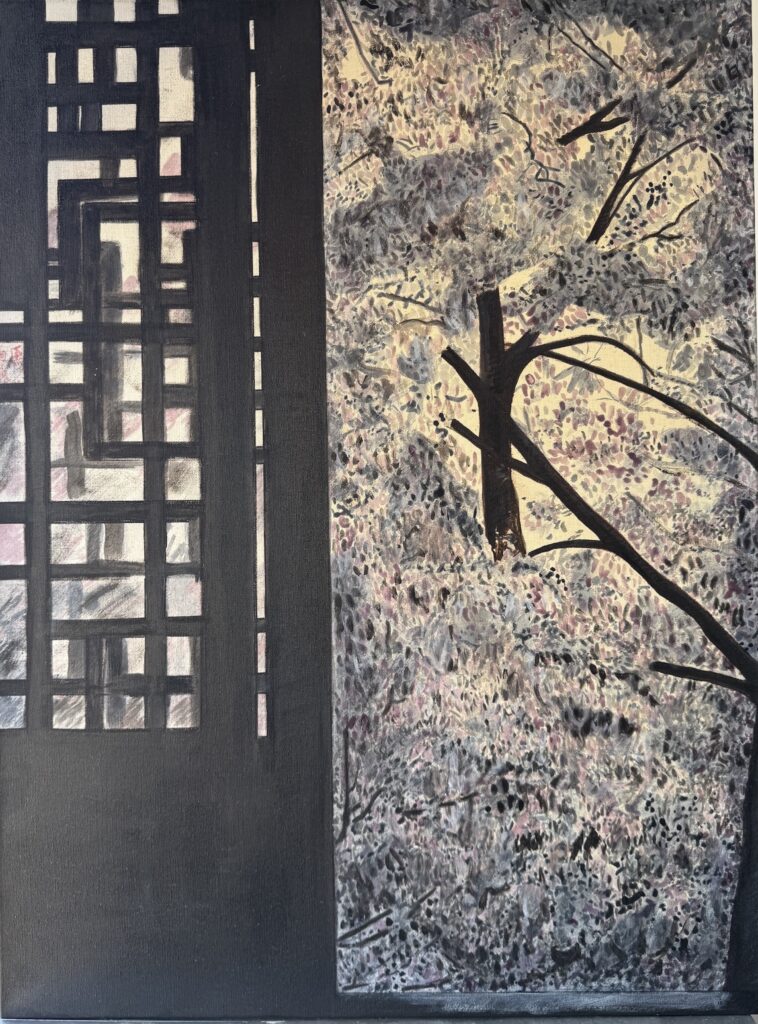
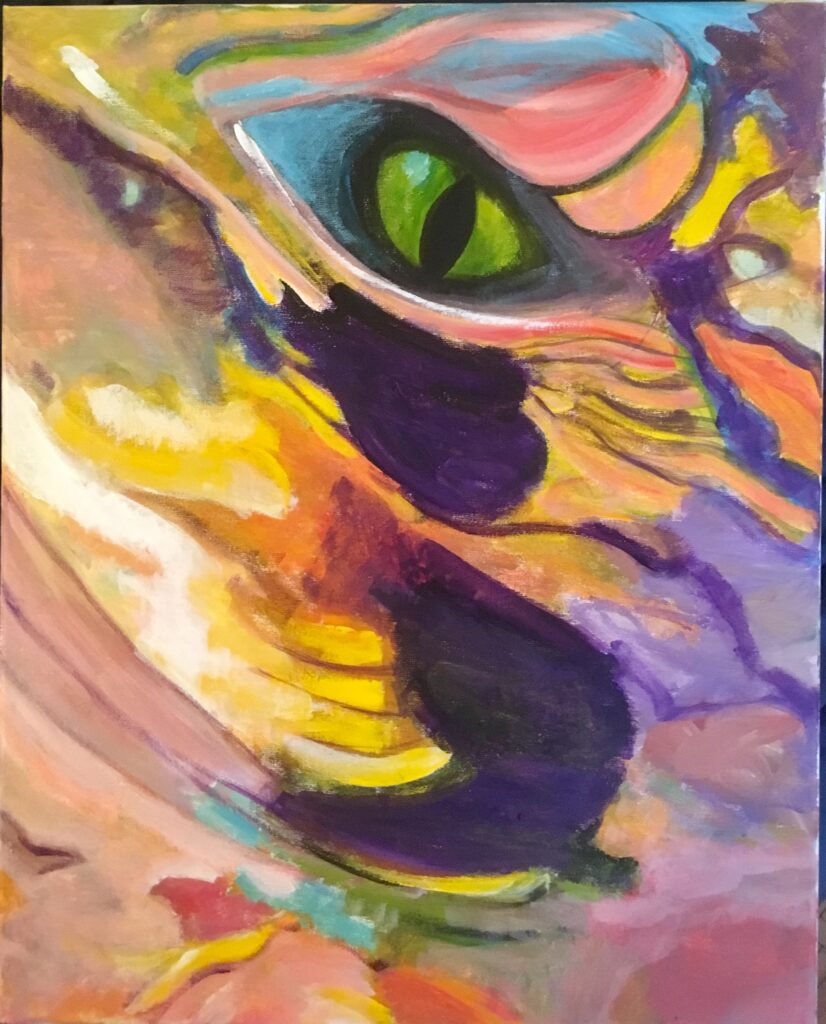
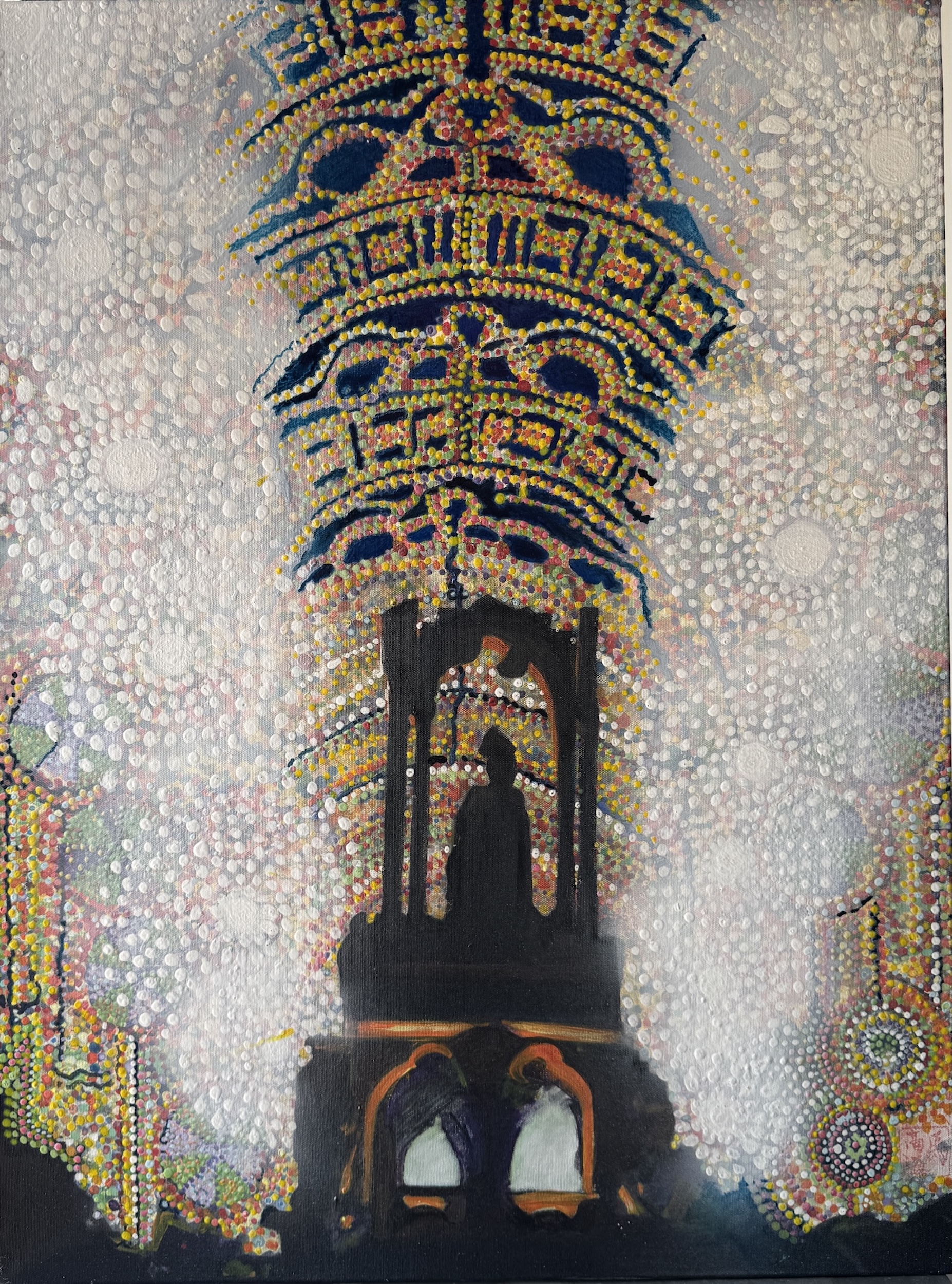
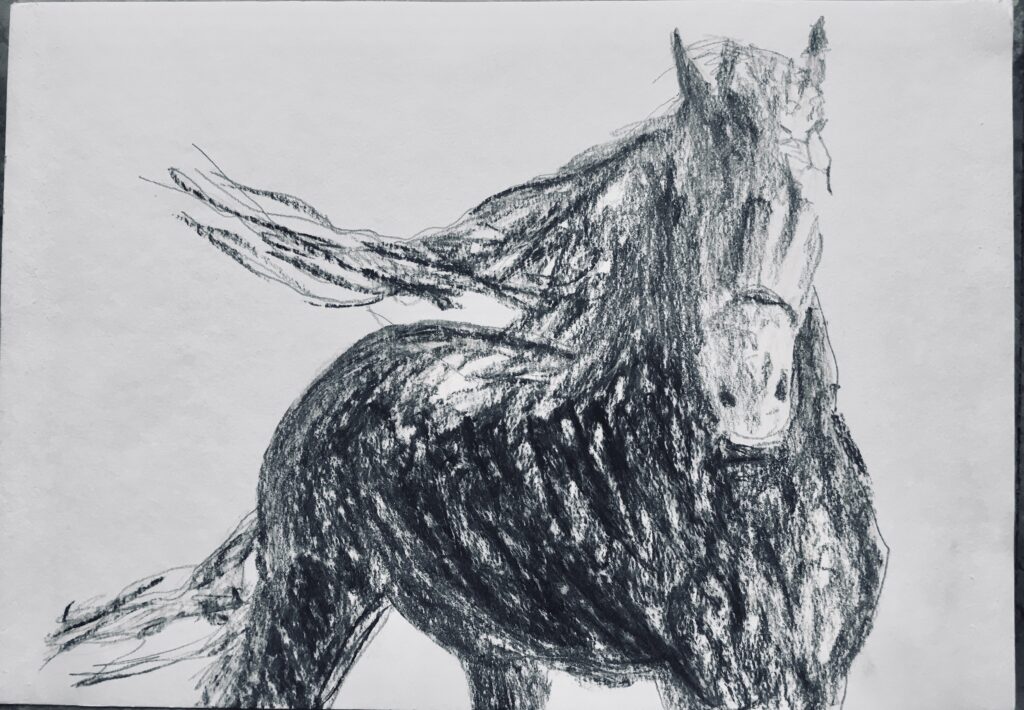
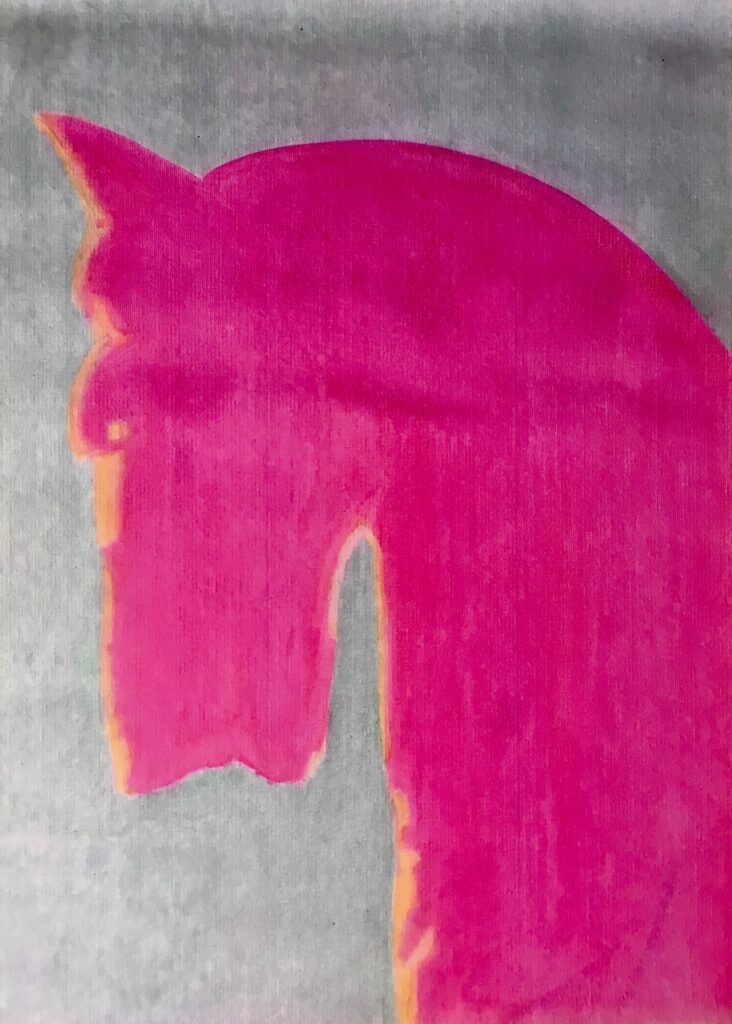
Voci dagli estimatori dell’arte di Marco. Voices from admirers of Marco’s art.
Marco Maurizio Gobbo è post-moderno?
Marco Maurizio Gobbo è nato a Milano nel 1961.
Pittore, scrittore, drammaturgo. Attore, indomito ricostruttore di scenari esistenziali e attento studioso delle cose del mondo, ha affrontato e affronta la vita come un eterno esperimento, infondendo passione e autentico ottimismo nelle opere che fa e in coloro che hanno la fortuna di incapparvi.
Credo che sia questo singolare eclettismo di fondo (che si esprime nel fare artistico come nella quotidianeità) che impedisca, o perlomeno, provochi una certa fatica, non solo a chi, come me, deve qui provare a parlare di Marco Maurizio Gobbo chiudendolo nei confini a lui troppo stretti della pittura, ma anche a chi e’ chiamato a guardare le sue opere pittoriche come esclusivamente tali.
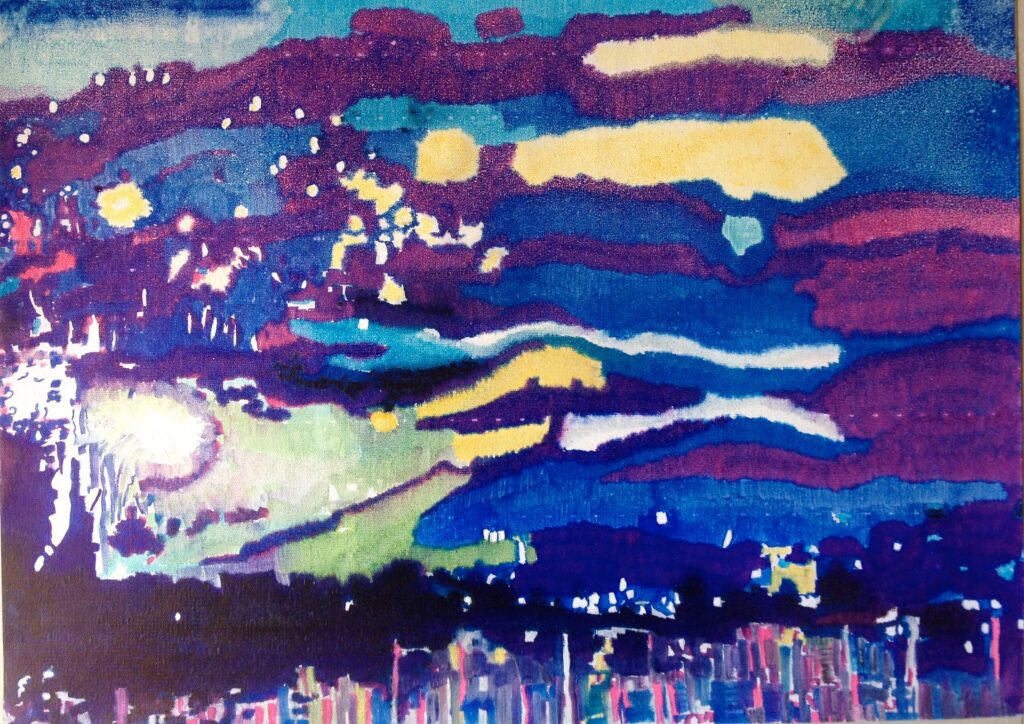
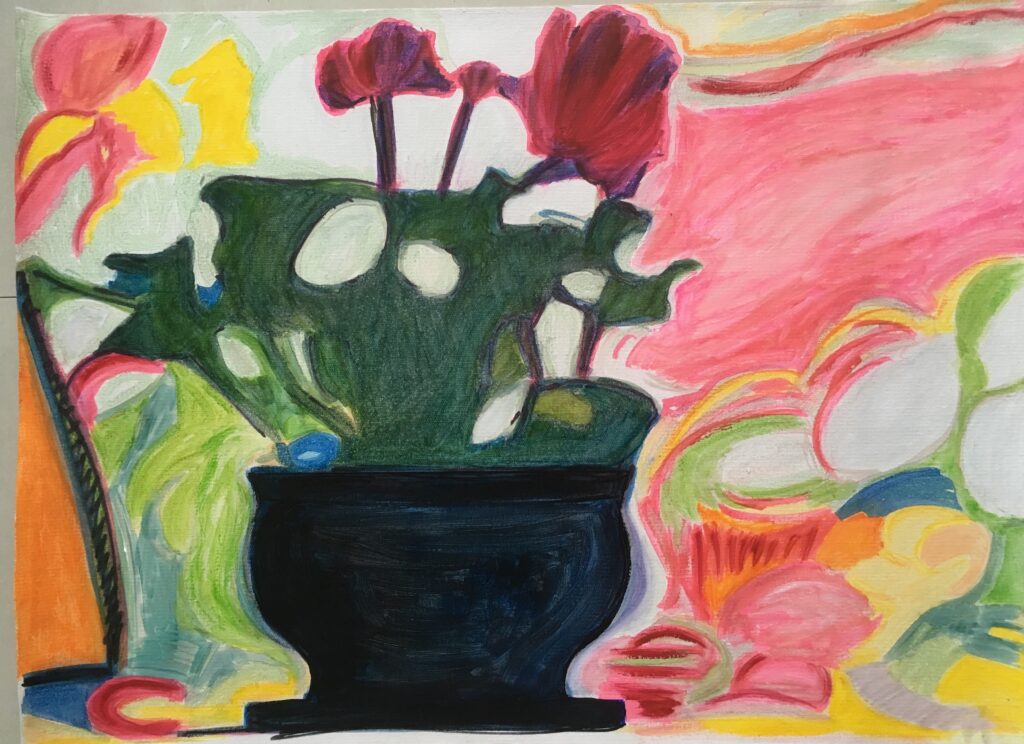
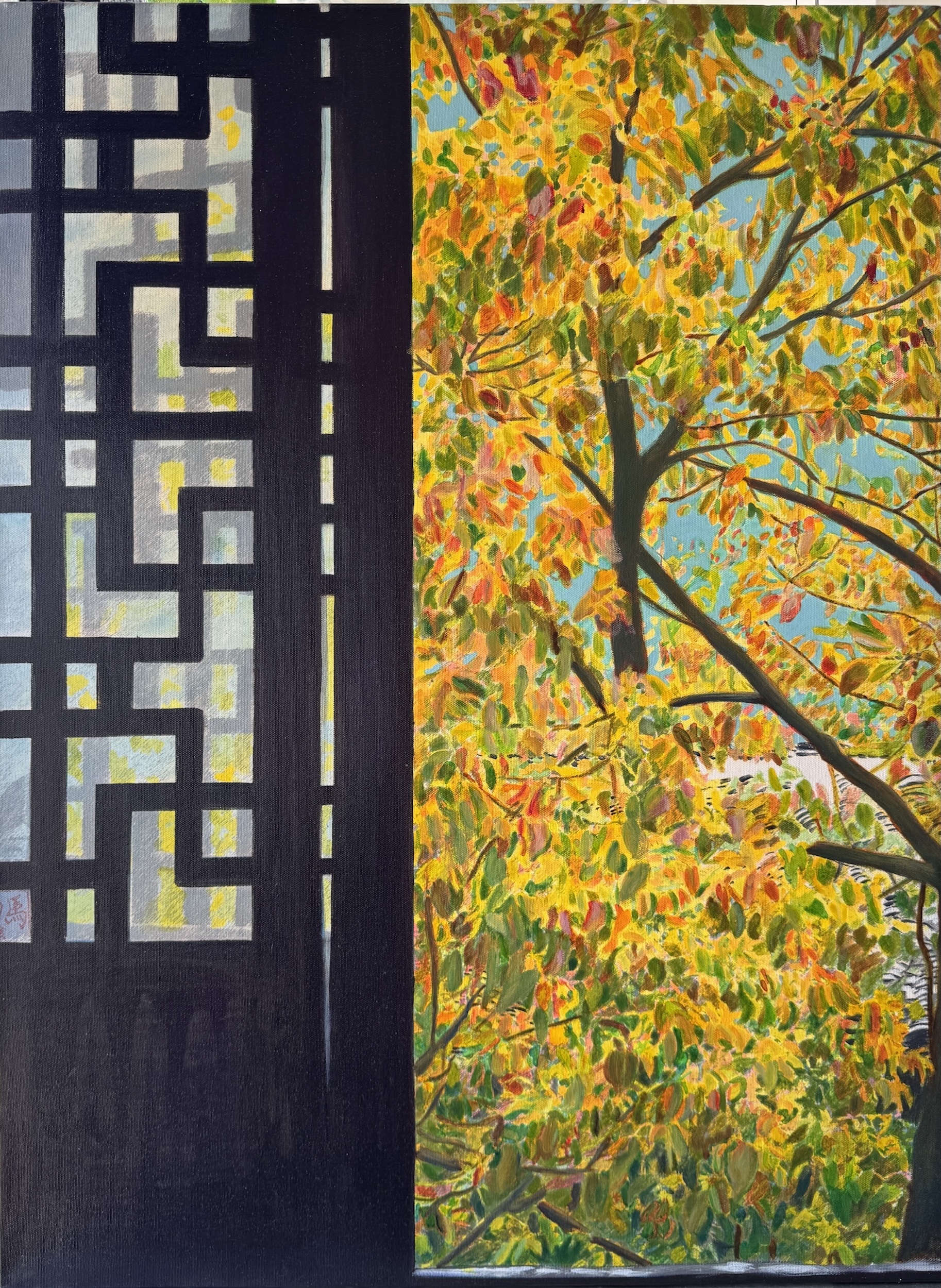
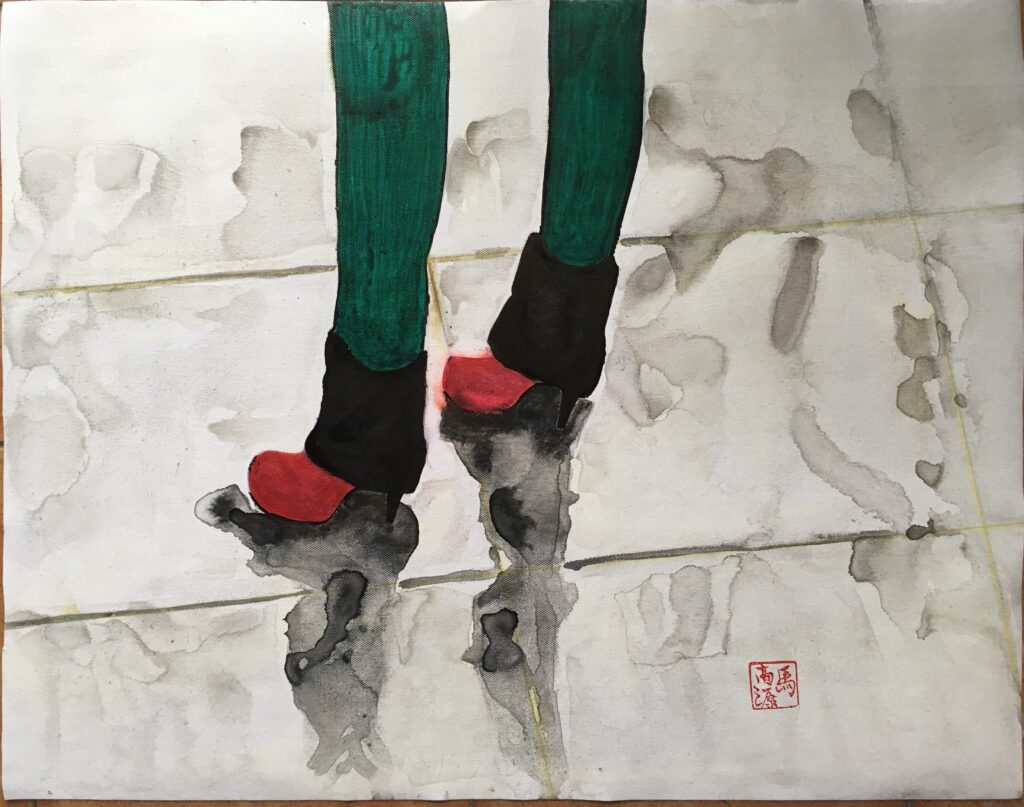
Marco Maurizio Gobbo non è un pittore, se con questo intendiamo qualcuno che strugge di colori e di simboli la sua tela, ma un artista già definitivamente consegnato a quel post-moderno che ha superato e supera qualsiasi definizione classificatoria, per includere nel fare creativo la vita stessa, la propria bio-grafia costruita e ricostruita come opera che, quindi, include qualsiasi gesto (compreso quello pittorico) senza sublimarlo.
Anzi, è proprio dell’opera di Marco Maurizio Gobbo quel processo di sdefinizione della sfera estetica, quella perdita di esemplarità dell’arte che, nella sua pittura, sembra fissarsi astilisticamente in un continuo gioco citazionista di stilemi e di modelli che sembrano attraversare la storia dell’arte senza fissarsi in alcuno.
In questo senso l’opera pittorica di Marco Maurizio Gobbo appartiene al post -moderno, ossia a quel processo che, come scrive Umberto Eco nel suo “Postille al Nome della Rosa”, “Consiste nel riconoscere che il passato, visto che non può essere distrutto, perché la sua distruzione porta al silenzio, deve essere rivalutato con ironia, in modo non innocente”.
Ecco, le opere pittoriche di Marco Maurizio Gobbo (che – ripeto – a mio avviso dovrebbero essere accompagnate da uno sguardo attento alla sua biografia) sono le opere di questa innocenza perduta che segna la post-modernità; il segno di un uomo (l’Uomo Contemporaneo) che, per stare ancora con Eco, non può più dire “Ti amo disperatamente”, ma può dire “Come direbbe Liala, ti amo disperatamente”.
Allo stesso modo le opere pittoriche di Marco Maurizio Gobbo sono i quadri di un quadro dipinto da qualcun altro, ri-dipinti e ri-messi in gioco in un’operazione riflessiva che ci obbliga, in qualche modo, ad una concettualizzazione, ad una intellettualizzazione del fatto artistico, premessa indispensabile alla comprensione dell’oggetto d’arte.
E allora, per vedere davvero le opere di Marco Maurizio Gobbo, è necessario compiere lo sforzo (che sottolineavamo all’inizio di questo articolo) di andare oltre la pura rappresentazione della tela. È necessario, più che vedere, guardare, cogliere i nessi e le fratture, ricontestualizzarle continuamente alla luce della opere cui rimandano; palparne le fessure inconsiderate; provare a distinguere, in ogni segno, il segnale di un mondo in continua trasformazione che si aggrappa al “già stato” per paura di smarrirsi. Ma. sopratutto, per comprenderne fino in fondo il peso, è fondamentale il parallelo che si apre con l’Opera che racchiude le opere pittoriche di Marco Maurizio Gobbo: la sua vita che, invece, incessantemente, combatte e si sforza di allontanarsi dal “già stato”.
In questa dicotomia è racchiusa la formula traduttrice e in parte traditrice (in quanto la biografia ha sempre difficoltà a emergere dall’opera) della pittura di Marco Maurizio Gobbo.
Massimo Silvano Galli
Is Marco Maurizio Gobbo a postmodernist?
Marco Maurizio Gobbo is born in Milan, in 1961.
Painter, writer, play writer. Actor, indomitable re-enactor of life scenarios and keen scholar of the things of the world, he has faced and faces life as an eternal experiment, infusing passion and genuine optimism in the work he does and in those who are fortunate enough to have stumbled in it.
I think that it is this fundamentally unique eclecticism (which is expressed in his art making as in his everyday life) that prevents, or at least cause some difficulty, not only to those who, like me, must try to speak here of Marco Maurizio Gobbo enclosing him by the too tight boundaries of painting, but also to whom is called to look at his paintings solely as such.
Marco Maurizio Gobbo is not a painter, if by that we mean someone who yearns colors and symbols of his canvas, but an artist already and finally delivered to that post-modern that has passed and goes beyond any definition of classification, to include in his creative life, life itself, its biography built and rebuilt as a Work that, therefore, includes any act (including painting) without sublimate it.
Indeed, it is proper of the works of Marco Maurizio Gobbo that process of un-defined or s-defined of the aesthetic sphere, that loss of exemplary in art which, in his painting, seems to set a-stylistically in a constant game of quotations and stylistic features of models that seem to go through history of art without setting in any of them.
In this sense, the paintings of Marco Maurizio Gobbo belongs to the post-modern, ie the process that, as Umberto Eco writes in his “Postille al Nome della Rosa”, “is to recognize that the past, since it can not be destroyed, because its destruction would lead us to silence, must be reassessed with irony, in a not ‘so innocent way.”
Here, the paintings of Marco Maurizio Gobbo (which – I repeat – in my opinion should be accompanied by a careful look at his biography) are works of that “lost innocence” time that marks the post-modern, the sign of a man (the Contemporary Man) which, to be with Eco, can not say anymore :”I love you desperately”, but can say “Like Liala would say, I love you desperately.”
Similarly, the paintings of Marco Maurizio Gobbo are paintings of a painting painted by someone else, re-painted and re-turned upon in a reflective operation that forces us, in some way, in an intellectualization of the artistic fact, indispensable requirement to the understanding of the art-object.
So, to actually see the works of Marco Maurizio Gobbo, we must make the effort (which we emphasized at the beginning of this article) to go beyond the mere representation of the canvas. It is necessary, more than to see them, to watch them, to understand their links and fractures, continually reconfigure them under the light of the works which they refer to, to palpate the still inconsiderate cracks, to try to distinguish, in every sign,
the signal of a changing world that clings to the ‘has been’ for fear of getting lost in it. But above all, to fully understand the value, it is paramount to draw a parallel with the opera that includes the paintings of Marco Maurizio Gobbo: his life that, on the contrary, incessantly, fights and tries to get away from what “has been”.
In this dichotomy is contained the formula that translate and partially betray (because a Biography has always difficulties to emerge from the Opera) Marco Maurizio Gobbo’s paintings.
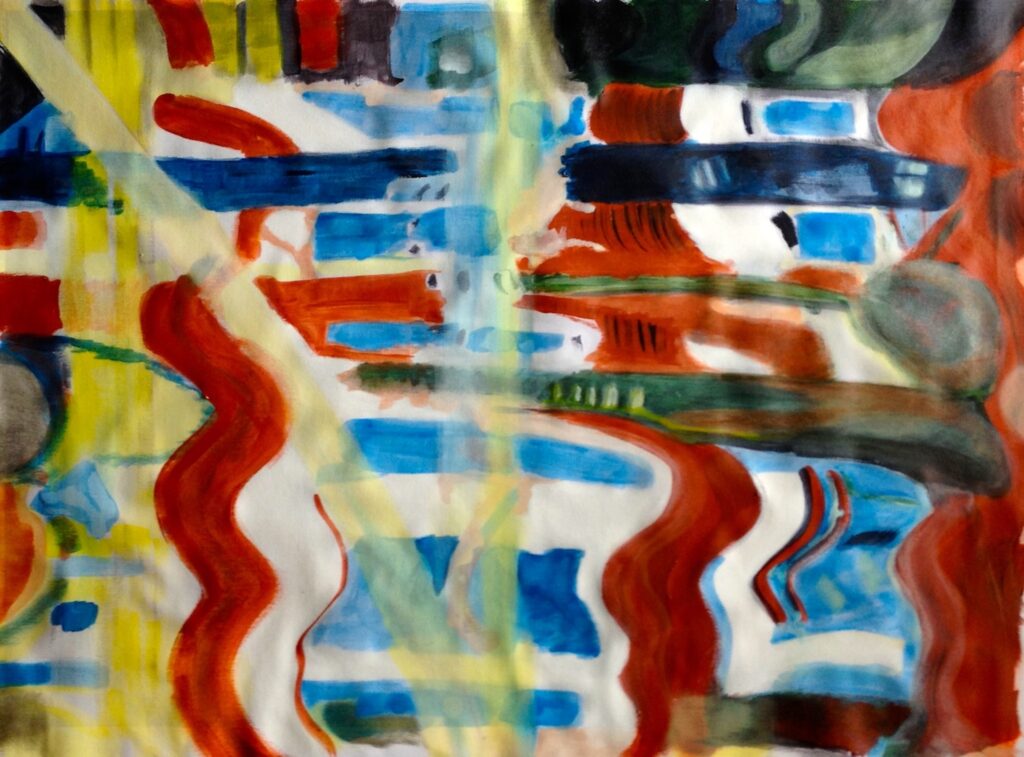
A short interview in English and Chinese.
A few questions to Marco M. Gobbo
How has the experience of living in Shenzhen or China affected you and your paintings?
生活在深圳和中国对你和你的画产生了怎样的影响?
Human beings mind is an ever changing mix of nature and education, or context. I nourish myself
with what my life context brings to me, so living in China and studying Chinese culture results in new
ways of expressing myself that make evident the different sources of my personal culture.
马高源:人的心灵是由神经和不断变化的生活环境互相影响造就的。我的心在生活的土壤里成长,因此
在中国生活、学习中国文化会带给我新的表达方式。我个人比较复杂的背景会在画中体现出来。
2. Many of your paintings here have water as the theme or the background. Any particular reasons?
你在这里展出的画有很多以水为主题,有什么特别的原因吗?
Natural elements always fascinated me, and above all water, cause water is mirror and object, it is organic substance yet multiple images at the same time, like a multitude contained in a oneness. So these qualities excite my imagination and reflects my emotions and moods, open doors of perception to multiple worlds.
马高源:我一直很喜欢自然,尤其是水。水是一种东西,同时也是一个镜像;是多种影响的重叠 多而一。
水的这种特质特别能激发我的想象力和情感,打开我体验多重世界的门。
3. For those who see your work for the first time, what would you say to them?
对第一次看你的画的人有什么要说的吗?
What do you see it is not what you get.
马高源:你眼睛所见并非你所得到。
4. Name some Chinese painters you really like.
有没有特别喜欢的中国画家?
I consider past masters, of any country or culture, my uncles in painting. To single out some name it is really difficult, because I immediately think about somebody else masterwork that are so relevant to me. So, trying not to offend anybody, I will mention Guo Xi ( Northern Song Dynasty), Huang Gongwang (Yuan Dynasty), Gu Kaizhi (also for his books on art, lived around 344/400 Dong Jin Dynasty), Dong Yuan ( c 934/962), Mi Fu (Song Dynasty), Liang Kai (Southern Song Dynasty) but I could mention other 10, and forgetting the names of other 20!
马高源:过去的大师,无论来自于什么国家和文化,都是我的师傅。一定挑几个出来是比较难的,因为每想到
一个我都会立刻想到更多其他的名字。中国的大师我立刻能想到的有郭熙(北宋)、黄公望(元)、
顾恺之(东晋,他写的艺术书籍对我影响很大)、董源(934-962)、米芾(北宋)、梁楷(南宋)这
些人,还有其他很多很多……
5.You are also a writer, how do you navigate between these 2 different disciplines?
马高源:你也是个作家,在写作和绘画这两个领域之间你是如何平衡自己?
One image is sometimes worthy a thousand words, and capture a single time/ space moment in a Universe inviting the onlooker inside, yet words define and enlarge levels of experiences, past, present and imaginary future both of writer and readers. I feel painting and writing as complementary dimensions of my inner world.
马高源:人们有时说一画胜千言,因为画面可以将世界上的某个时空定格,并将观众带入这个时空。但
是文字却能扩展我们对过去、现在和想象中的未来的体验。我认为写作和绘画在我的世界里是相辅相
成的。
在我们这个后现代的世界里,你很难轻易地把马可定义和分类。他的作品不只包括帆布和颜色,还包含了他的每一个行为、动作以及他那不断改写的人生历程和创作热情。
——艺术评论家 Massimo Silvano Galli
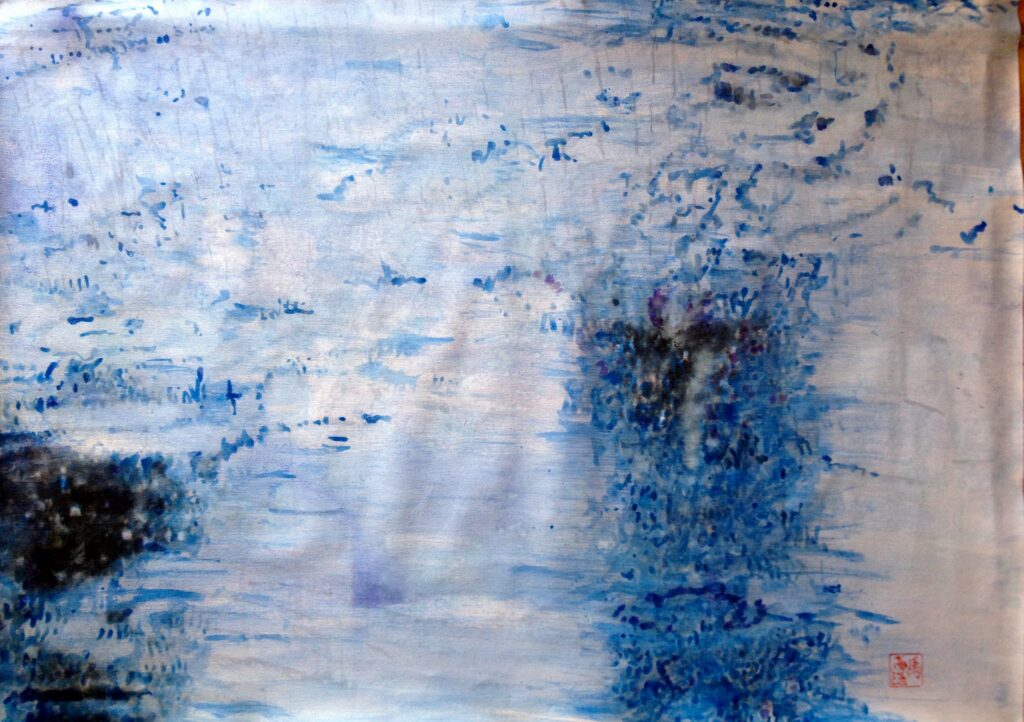
Anche io voglio dire qualcosa I want to say something too.
Difficile parlare di se, quando si dissemina il mondo di immagini e istanti dove lo sguardo di chi guarda può già cosi tanto capire, analizzare… “vedere”. Bello, vedere: alle volte è come capire all’istante, prima ancora di aver detto qualcosa. Hai già capito. Allora ti invito a non chiedermi molto, quello che vedrai e leggerai dovrebbe già dirti tanto. I
It’s difficult to talk about oneself when you’re scattering images and moments across the world where the viewer’s gaze can already understand and analyze so much… “see” so much. It’s beautiful to see: sometimes it’s like understanding instantly, even before anything has been said. You’ve already understood. So I invite you not to ask me too many questions; what you see and read should already tell you a great deal.
Non riesco a invecchiare: mi piace il giallo, l’azzurro e il verde chiaro, e sto cercando una Chiave per quando gioco con i miei colori. Il Tempo non concede tempo, e anche io ti urgo al fare, qualsiasi cosa tu voglia fare.
I can’t seem to grow old: I like yellows, light blues, and light greens, and I’m looking for a Key to use when I play with my colors. Time doesn’t grant time, and I too urge you to act, whatever it is you want to do.